Short answer
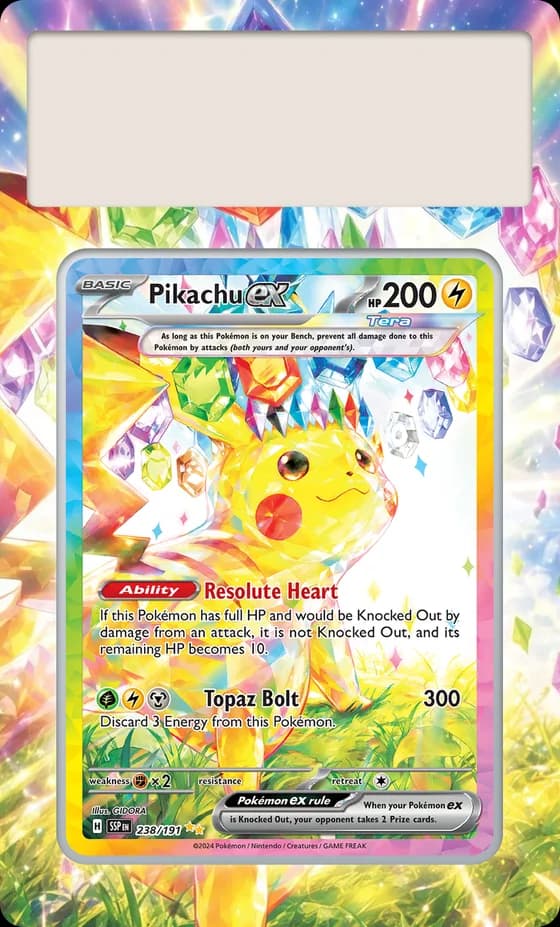
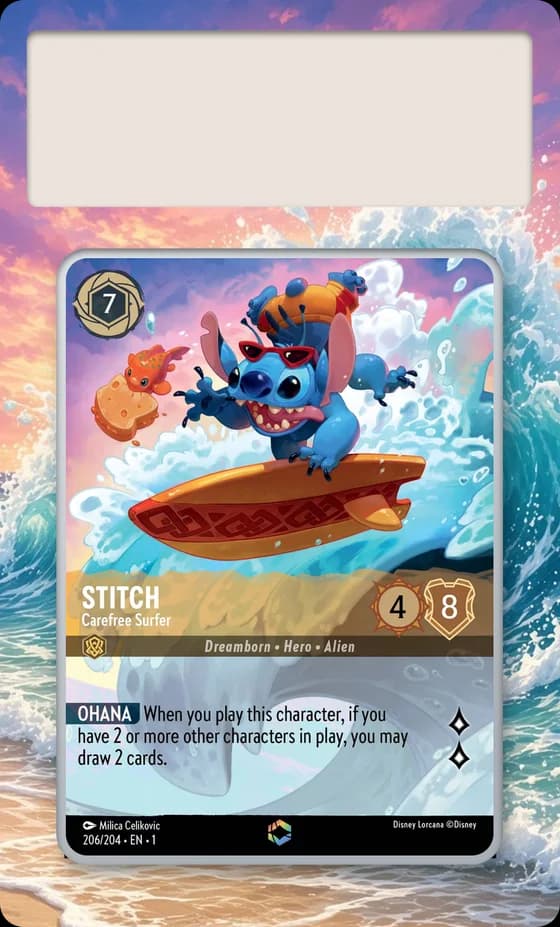
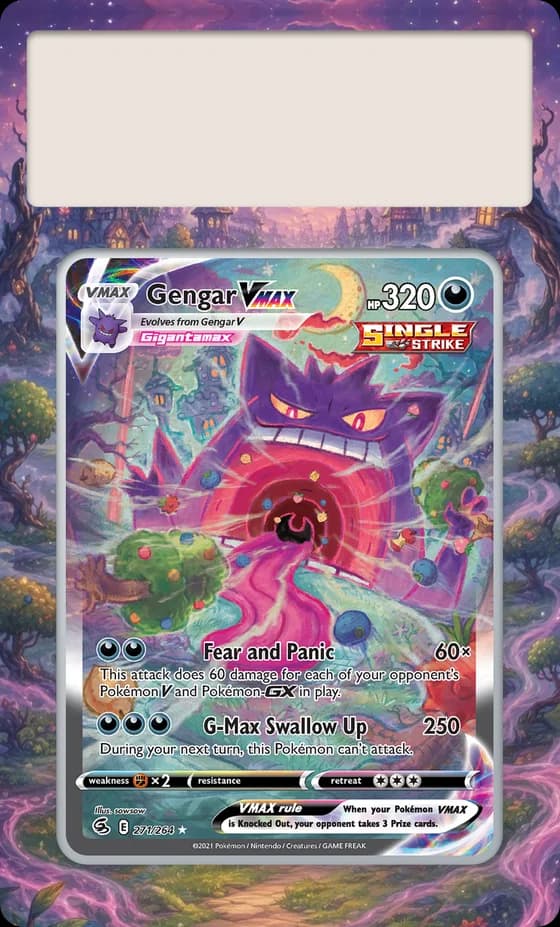
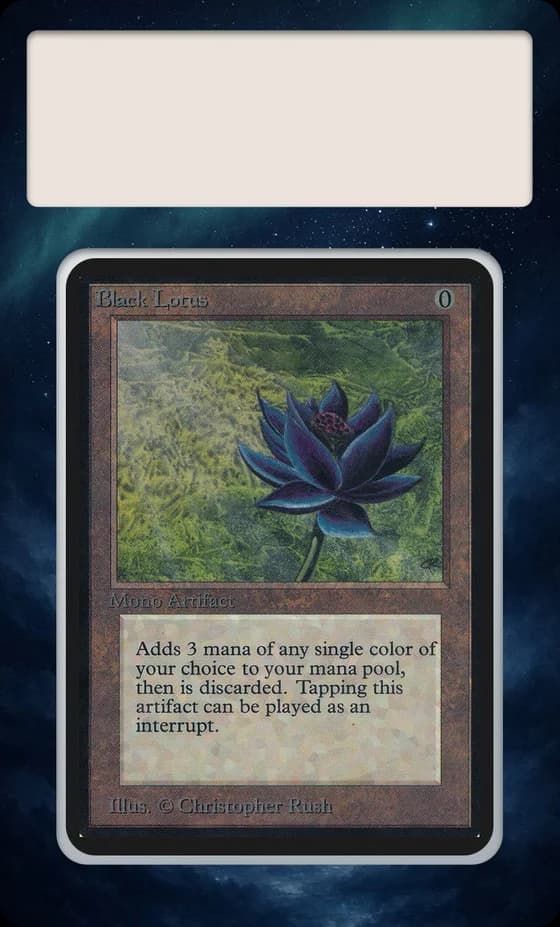
Most trading card games use the 63 × 88 mm standard size (2.48 × 3.46 in): Pokémon, Magic: The Gathering, One Piece, Disney Lorcana, Star Wars: Unlimited, Digimon and more. Yu-Gi-Oh! and Cardfight!! Vanguard use the smaller Japanese size of 59 × 86 mm. Sports cards are 2.5 × 3.5 in (63.5 × 88.9 mm).
Card sizes by game
| Game | Card size | Size class |
|---|---|---|
| Pokémon TCG | 63 × 88 mm | Standard |
| Magic: The Gathering | 63 × 88 mm | Standard |
| One Piece Card Game | 63 × 88 mm | Standard |
| Disney Lorcana | 63 × 88 mm | Standard |
| Star Wars: Unlimited | 63 × 88 mm | Standard |
| Flesh and Blood | 63 × 88 mm | Standard |
| Riftbound | 63 × 88 mm | Standard |
| Digimon Card Game | 63 × 88 mm | Standard |
| Dragon Ball Super: Fusion World | 63 × 88 mm | Standard |
| Union Arena | 63 × 88 mm | Standard |
| Weiss Schwarz | 63 × 88 mm | Standard |
| Gundam Card Game | 63 × 88 mm | Standard |
| Yu-Gi-Oh! (OCG, TCG, Rush Duel) | 59 × 86 mm | Japanese (small) |
| Cardfight!! Vanguard | 59 × 86 mm | Japanese (small) |
| Sports cards (Topps, Panini) | 63.5 × 88.9 mm (2.5 × 3.5 in) | Standard |
Standard size vs Japanese size
The two formats differ by 4 mm in width and 2 mm in height. That sounds small, but it’s the difference between a snug sleeve and a loose one, and you see it the moment the two cards lie side by side. Japanese-size cards need small sleeves; if you double-sleeve, a small inner sleeve goes inside a standard outer one.
Don’t confuse Japanese size with Japanese language. Japanese Pokémon and One Piece cards are standard 63 × 88 mm, exactly like the English ones. Only some games, with Yu-Gi-Oh! the best known, use the smaller format in every language.
Sleeve sizes
- Standard sleeves take cards up to 63.5 × 88.9 mm, which covers Pokémon, Magic and sports cards. The sleeve itself is about 66 × 91 mm.
- Perfect-fit inner sleeves are cut for 63 × 88 mm cards and go on first when you double-sleeve.
- Small (Japanese) sleeves take cards up to 59 × 86 mm. Konami’s own Duelist Card Protectors list exactly that limit.
Thickness decides the holder
Length and width are standardised; thickness isn’t. Grading companies measure it in points, thousandths of an inch, and pick the holder by it. Most game cards go into the standard holder, while thick inserts and patch cards go into deeper ones. PSA, for example, uses a separate holder for 25 to 40 pt cards and its original thick holder above that. The outside sizes of every holder are in our guide to slab dimensions.
Why card size matters for slab art
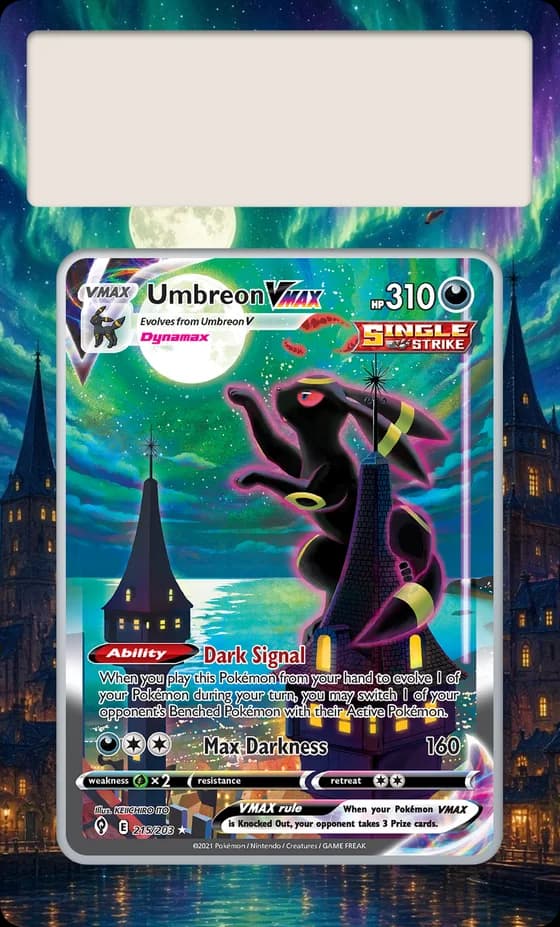
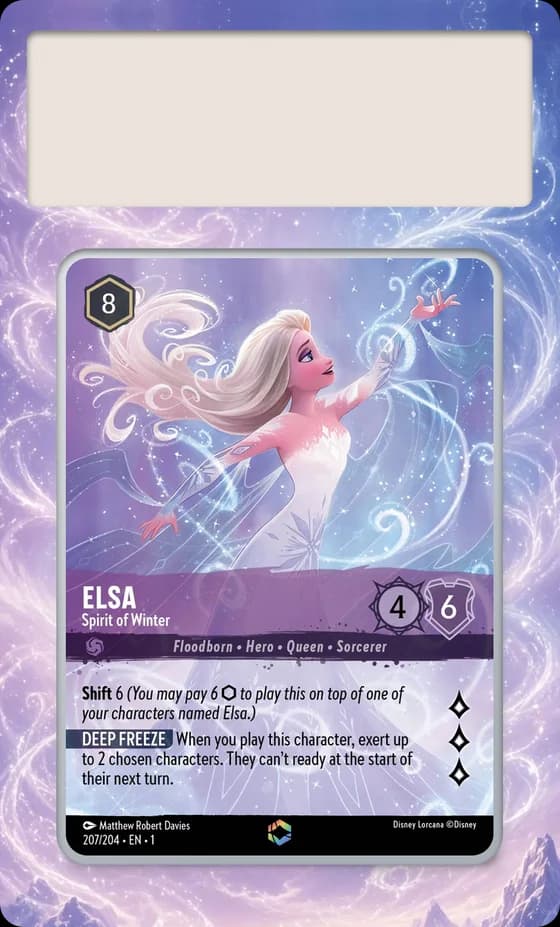
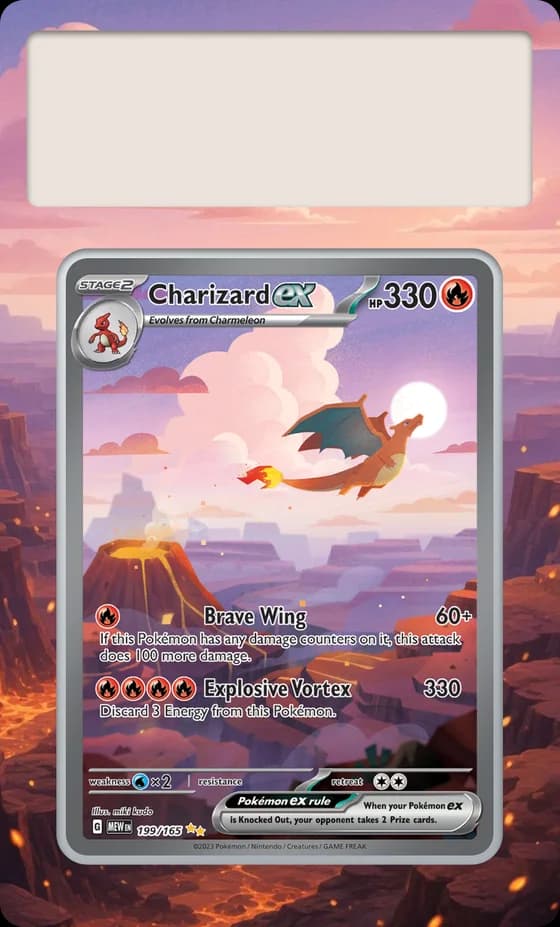
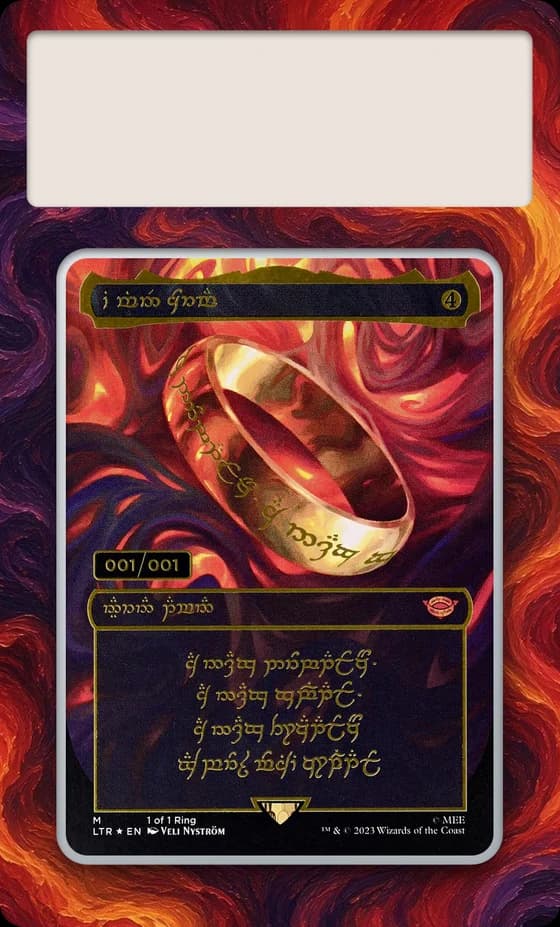
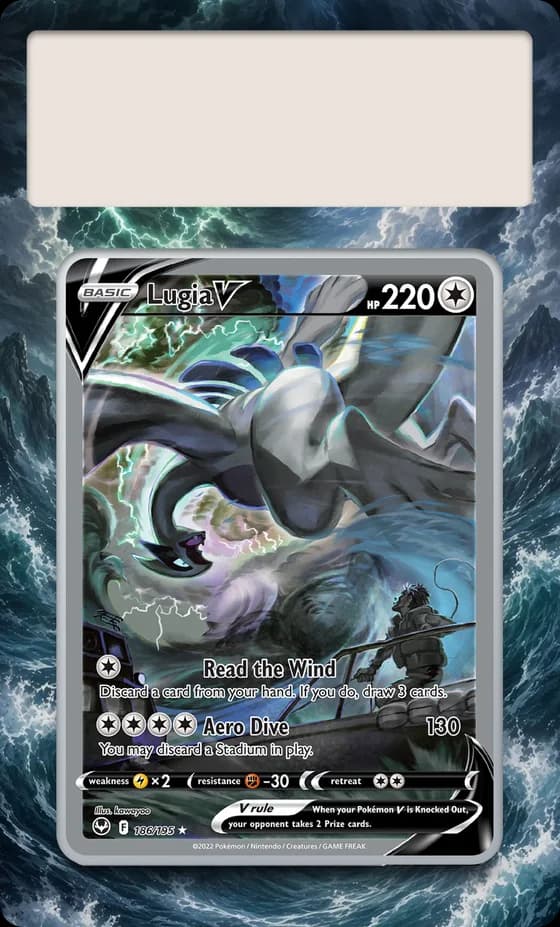
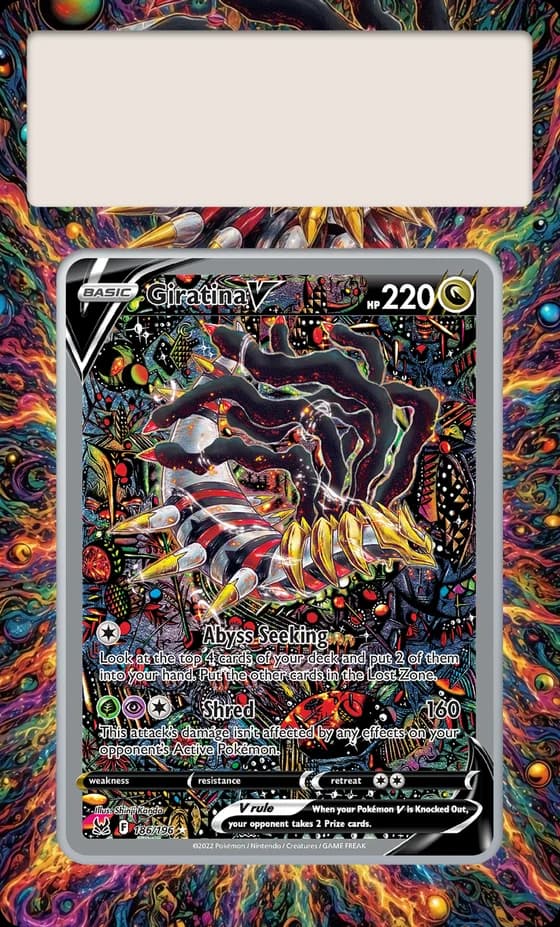
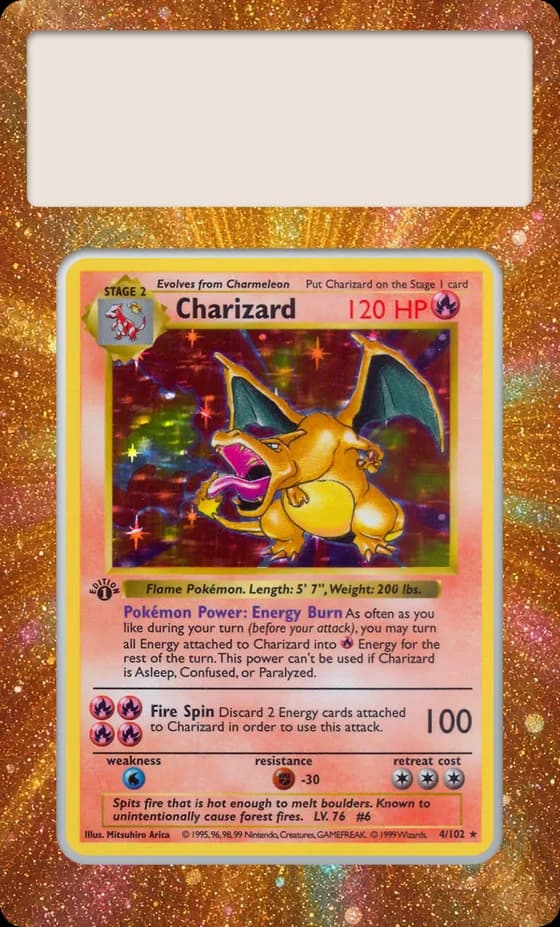
A graded Yu-Gi-Oh! card goes into the same standard holder as a Pokémon card; only the card inside is smaller, so it sits with a wider margin. When we design extended art around a graded card, the card window in the panel is cut to your game’s exact card size. A 59 × 86 mm Yu-Gi-Oh! card ends up framed as tightly as a 63 × 88 mm Pokémon card, with no plastic gap around it.
Find your game on the games page to see ready-made designs and how a build works for its cards.
Questions
What size is a Pokémon card?
63 × 88 mm, or 2.48 × 3.46 inches. Japanese Pokémon cards are exactly the same size as English ones.
Are Magic and Pokémon cards the same size?
Yes. Both are 63 × 88 mm, so they take the same sleeves, toploaders and graded holders.
Why are Yu-Gi-Oh! cards smaller?
Yu-Gi-Oh! uses the Japanese small format, 59 × 86 mm, in every language and in both the OCG and the TCG. They need small sleeves.
Are sports cards the same size as Pokémon cards?
Almost. Sports cards are 2.5 × 3.5 inches (63.5 × 88.9 mm), half a millimetre to a millimetre larger. Standard sleeves are made to take both.
Do graded Yu-Gi-Oh! cards go in a smaller slab?
No. They go in the same standard holder; only the card inside is smaller. That’s why our panels cut the card window per game.