Short answer
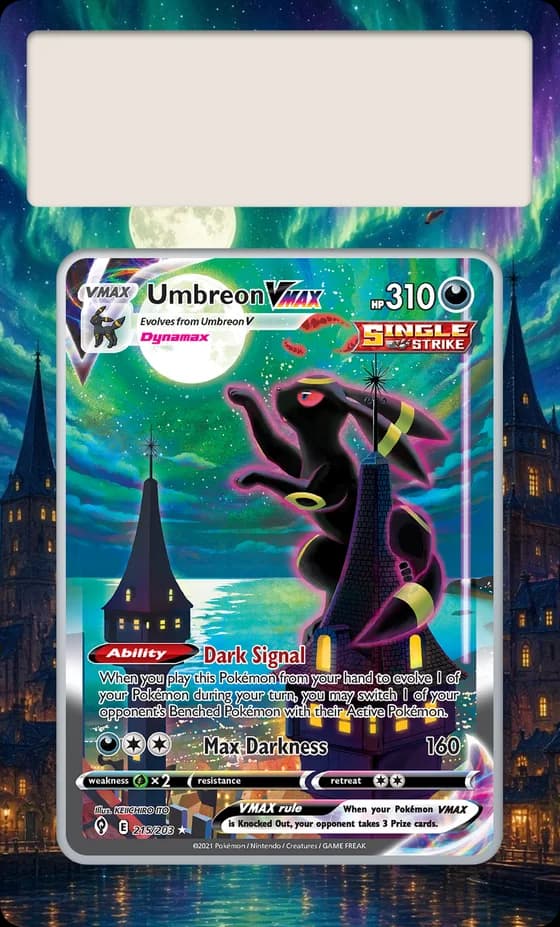
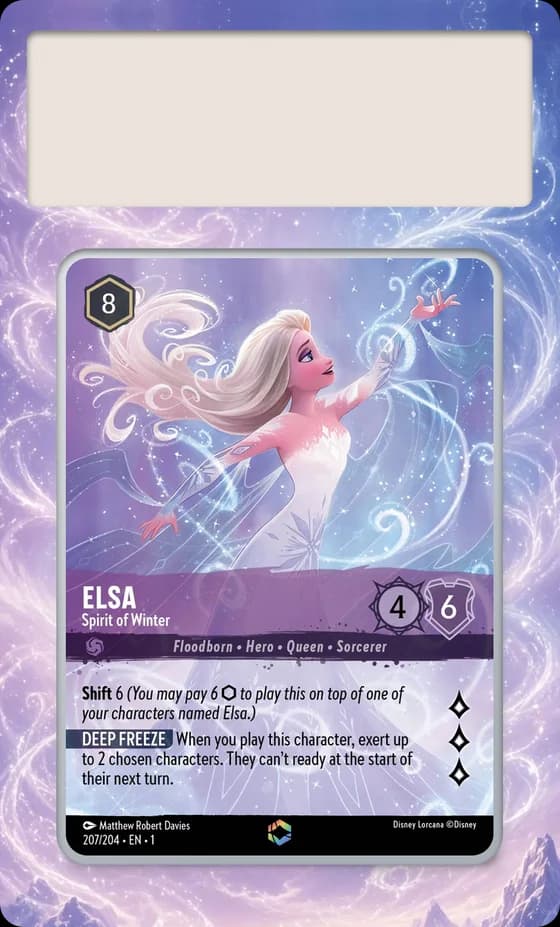
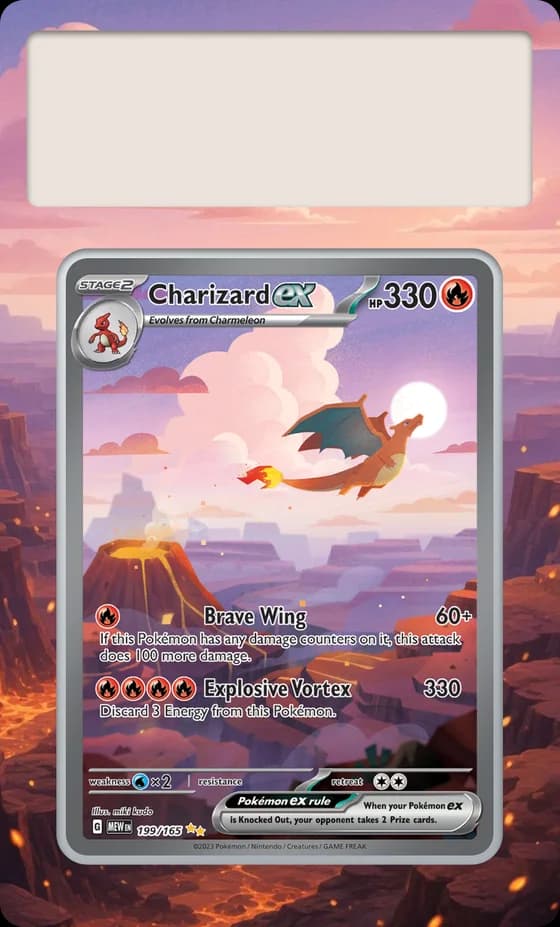
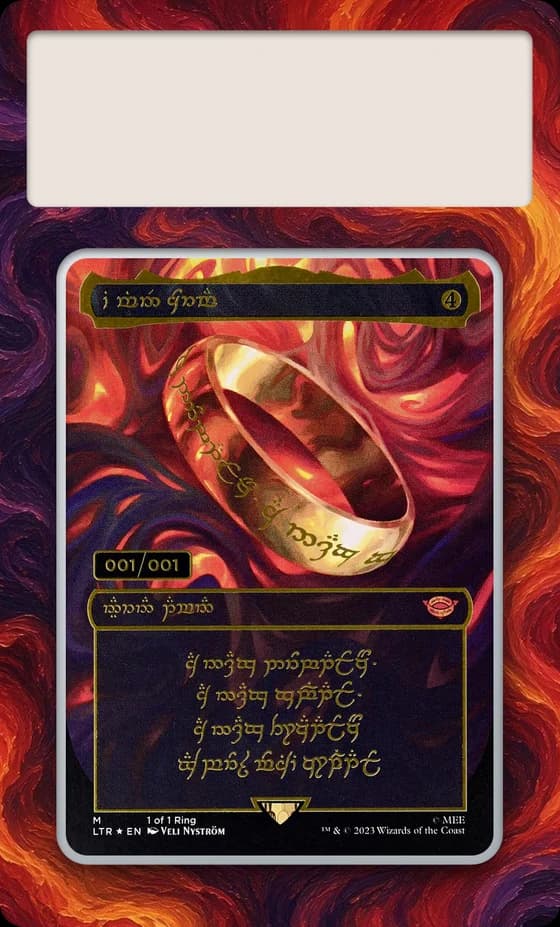
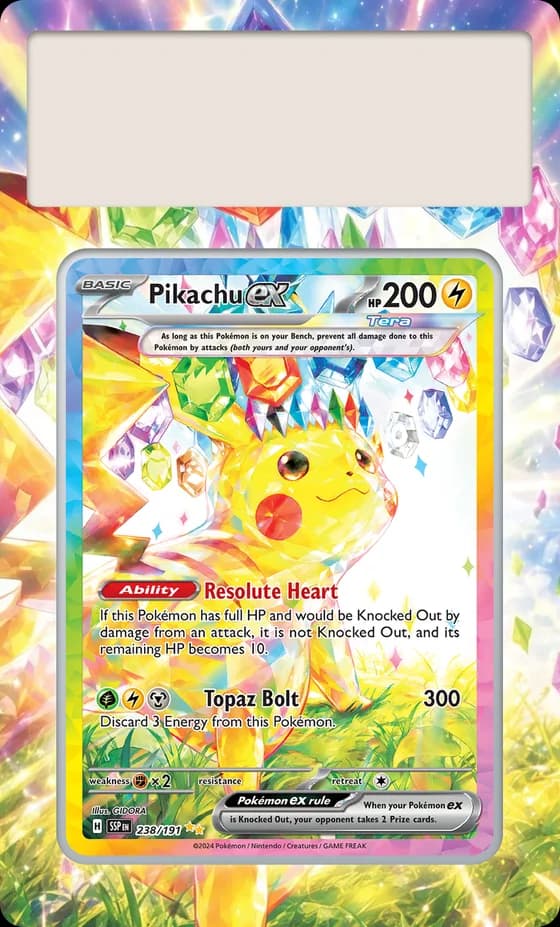
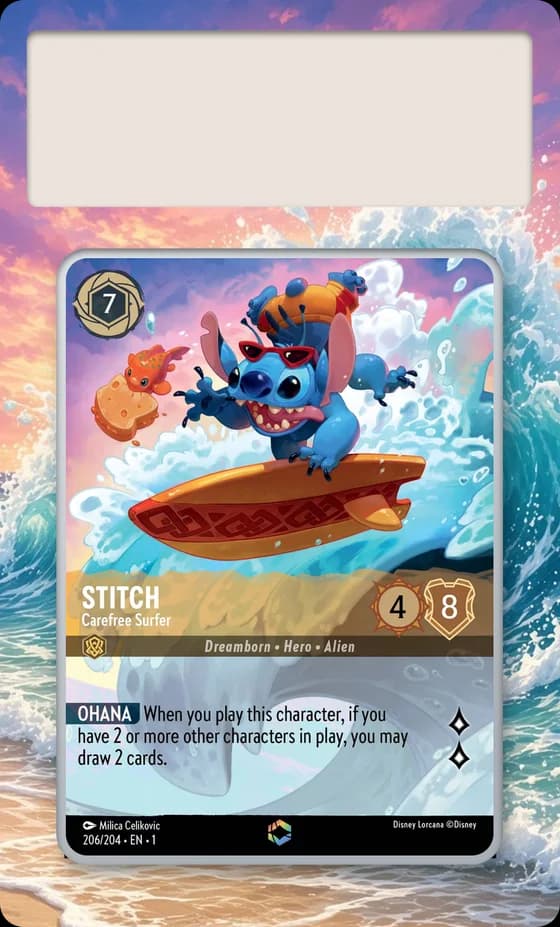
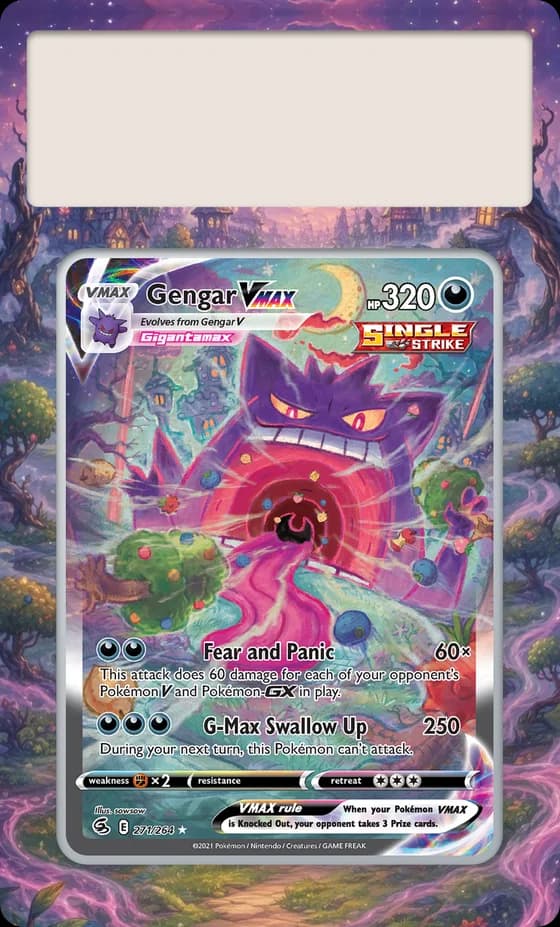
Extended art is artwork that continues past a card’s usual frame. In Magic: The Gathering it’s an official frame treatment, introduced with Throne of Eldraine in 2019, where the illustration runs to the card’s left and right edges. For graded cards, it means a printed panel that continues the card’s illustration across the slab, around the card and its label.
Extended art in Magic: The Gathering
Wizards of the Coast introduced the extended-art frame with Throne of Eldraine in 2019, as part of what it called Project Booster Fun. The illustration is the same as on the regular card, but it runs all the way to the left and right edges, while the top and bottom borders stay. At launch, extended-art cards came only in Collector Boosters, one rare or mythic rare per pack. Wizards had used the treatment once before, on the Ultimate Masters box toppers.
Extended art vs full art vs alt art
| Term | What it means | Same illustration? |
|---|---|---|
| Extended art (Magic) | The regular illustration, widened to the card’s left and right edges | Yes |
| Borderless | Art runs to every edge, with no border at all | Varies |
| Full art (Pokémon) | Art and foil cover the whole card; introduced with Black & White in 2011 | Usually the official pose, enlarged |
| Alt art / illustration rare | A different illustration of the same card, often showing a whole scene | No, new art |
| Extended slab art | The card’s art continued beyond the card, printed across the slab | Yes, continued |
What extended art means on a graded slab
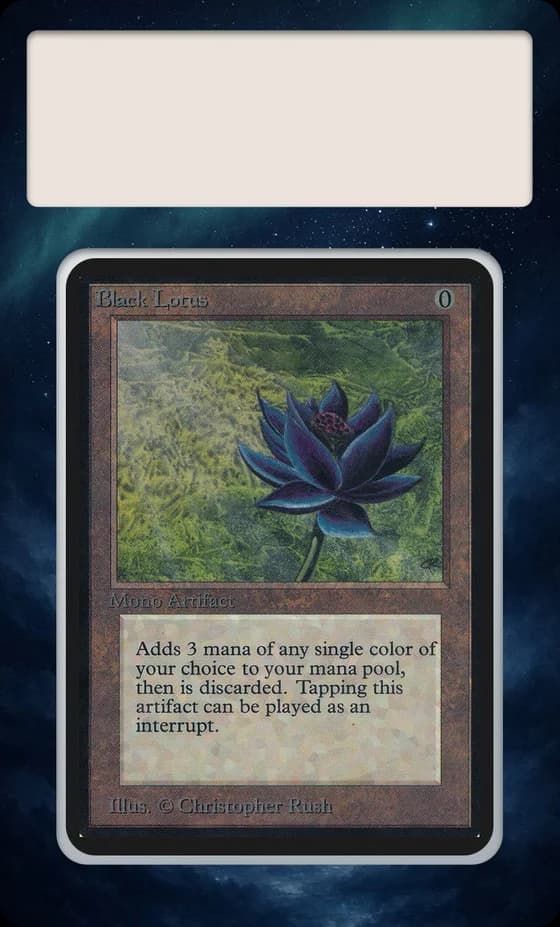
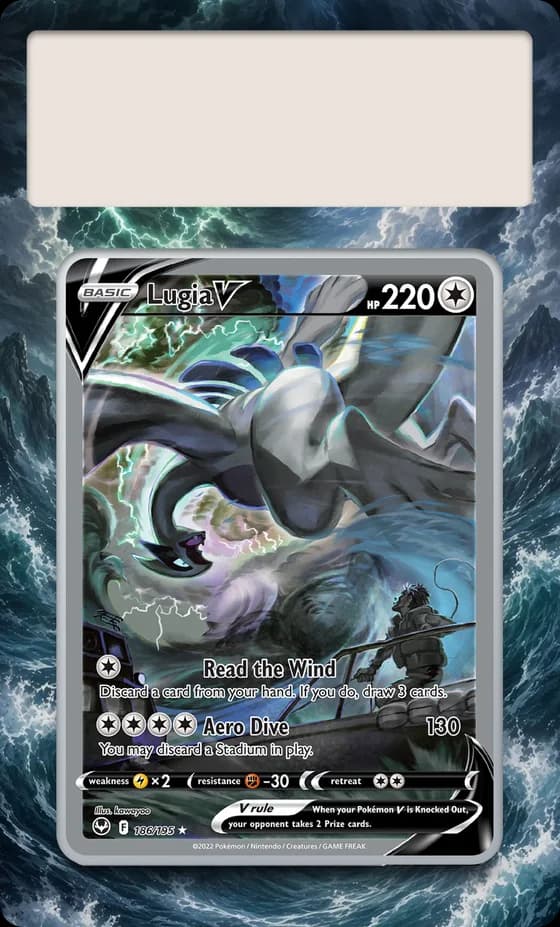
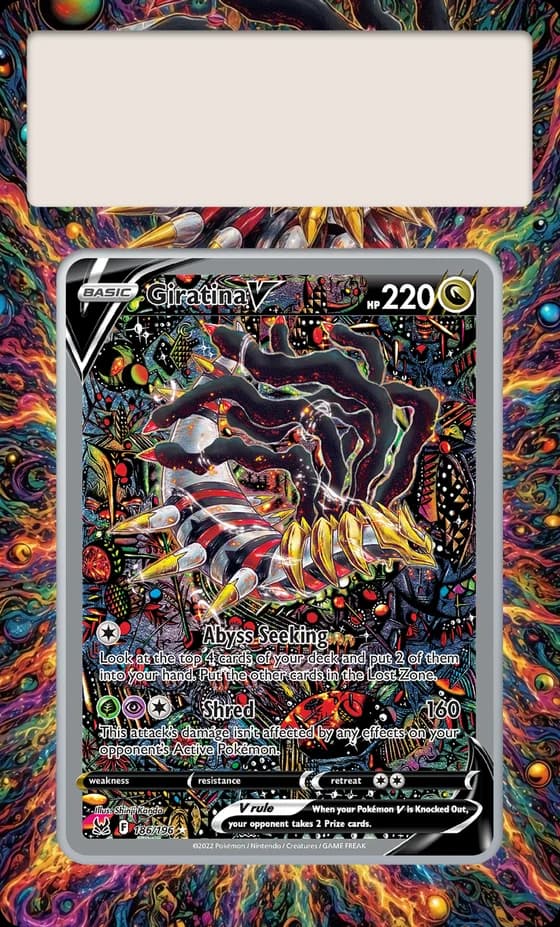
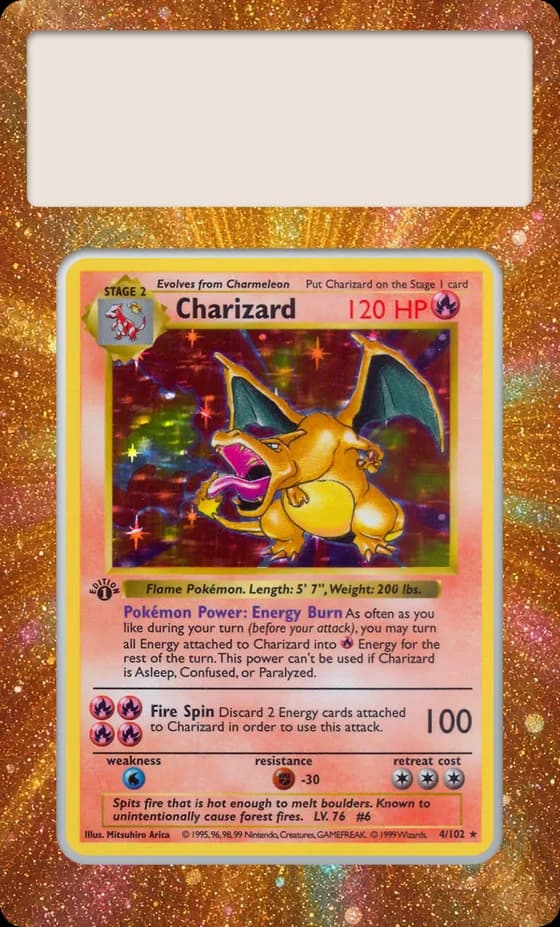
A slab shows your card in a clear window surrounded by plastic: the label at the top, a margin all round. Extended slab art fills that space. An artist continues the card’s scene past its border, the art is printed on a panel with one window for the label and one for the card, and the panel sits on the face of the slab inside a case. The illustration seems to flow straight out of the card, and nothing is glued, cut or opened.
It works best for cards whose art already wants to keep going: full arts, alt arts and illustration rares. Framed cards, like a 1999 holo, usually look better with a composed theme around them than with a continued scene. We call these three approaches Extend, Surround and Atmosphere.
How extended slab art is made
- Start from the exact card. A Japanese alt art isn’t the English one, and the art sits differently, so the design starts from a clean scan of your exact version.
- Continue the scene. The world is painted past the border: the sky, the background, the rest of the creature. AI can draft variations quickly, but every seam that touches the card’s edge is corrected by hand.
- Register it to the slab. Cards sit slightly off-centre in their holders, so the card window goes where your card actually is.
- Print and cut. Archival paper, colour checked on the real print stock, label and card windows die-cut.
Three ways to get it
Print it yourself from a file sized to the slab, order the printed art panel for a case you already have, or get the complete build in a glitter slab case. The fastest start is one of the ready-made designs.
Questions
Is extended art the same as full art?
No. Full art means the art covers the whole card. Extended art means the art continues beyond its usual frame: on a Magic card, out to the side edges; on a slab, past the card itself.
Are extended-art Magic cards rarer?
In Throne of Eldraine they were exclusive to Collector Boosters, one per pack. Distribution has varied from set to set since, so check the booster contents of the set you collect.
Does extended slab art change my graded card?
No. The panel rests on the outside of the slab. The card, the holder and the label are never opened, glued or altered.
Which cards work best?
Full art, alt art and illustration rare cards, where the scene naturally continues. Framed and vintage cards suit a themed surround instead.